

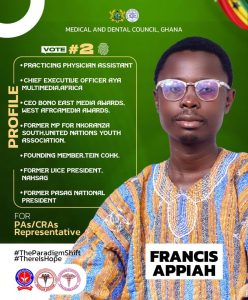
When the Leader Does Not Address a Problem, the Problem Becomes a LeaderBy Francis Appiah
In every society, leadership is both a blessing and a burden. It requires the courage to confront challenges head-on and the wisdom to take decisive action, even when such action is unpopular or controversial. There’s an age-old truth: when the leader does not address a problem, the problem becomes a leader. It creeps into the foundations of justice, trust, and order, gradually taking control until it defines the state itself.
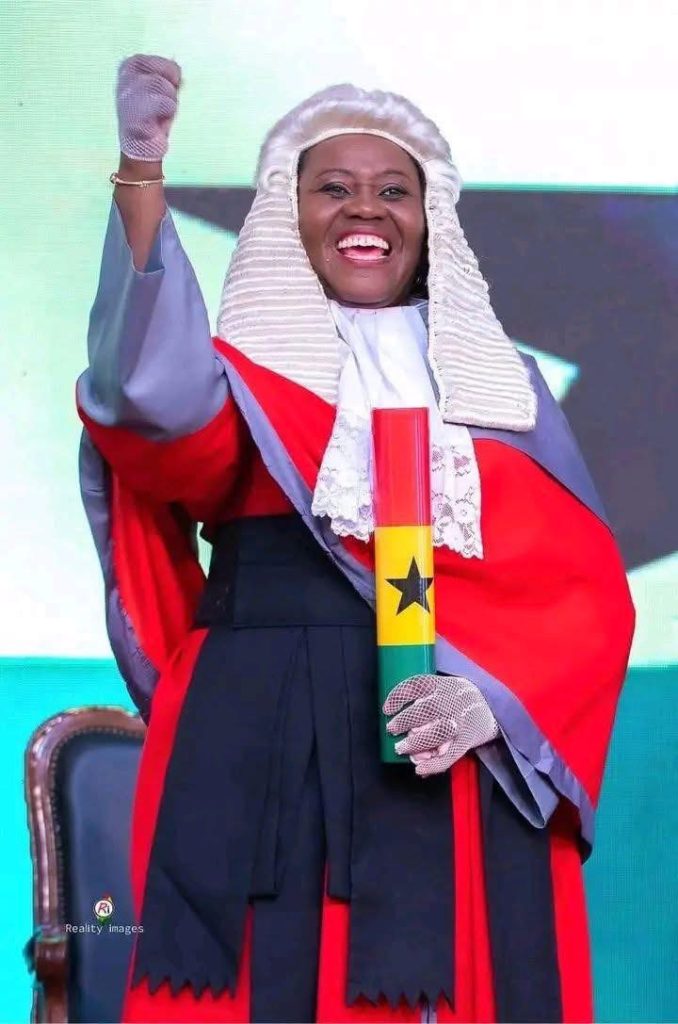
President John Dramani Mahama, in his second coming, has proven yet again that he understands the sacred responsibility of leadership — to lead not just with authority, but with accountability, decisiveness, and fidelity to the Constitution. His bold action in responding to the petitions against the Chief Justice, Her Ladyship Gertrude Torkornoo, is a defining moment in the annals of Ghana’s democracy. It sends a strong message: no one is above the Constitution, and no institution is too sacred to be scrutinized.
For too long, we have watched problems in our public institutions fester because those with the mandate to act chose silence over accountability. In that silence, problems grew roots. They gained influence. They became the new leaders — unchecked, unchallenged, and often, untouchable. But President Mahama has reminded us of the real essence of leadership — it is not about titles or applause, but about responsibility and action.
The suspension of the Chief Justice is not a celebration of anyone’s downfall. It is a celebration of constitutionalism. It is a moment where Ghana affirms that even the judiciary — the last hope of the common man — must be guarded against perceptions of impropriety and public mistrust. President Mahama’s decision is not one of vengeance or partisanship, but a renewal of faith in the rule of law.
Leadership demands tough calls. It demands that the leader sees what others ignore, hears what others silence, and acts when others hesitate. In this moment, John Mahama has acted not just as President, but as a guardian of Ghana’s democracy. He has ensured that no problem becomes bigger than the state — not even one hidden in the robes of justice.
As citizens, we must support leaders who are bold enough to act and wise enough to know when to. We must remember that the future of this country rests not in the hands of the powerful, but in the actions of those who are willing to hold the powerful accountable.
President Mahama has spoken not with words, but with action. And in doing so, he has shown us that in his leadership, problems will never be allowed to become leaders.
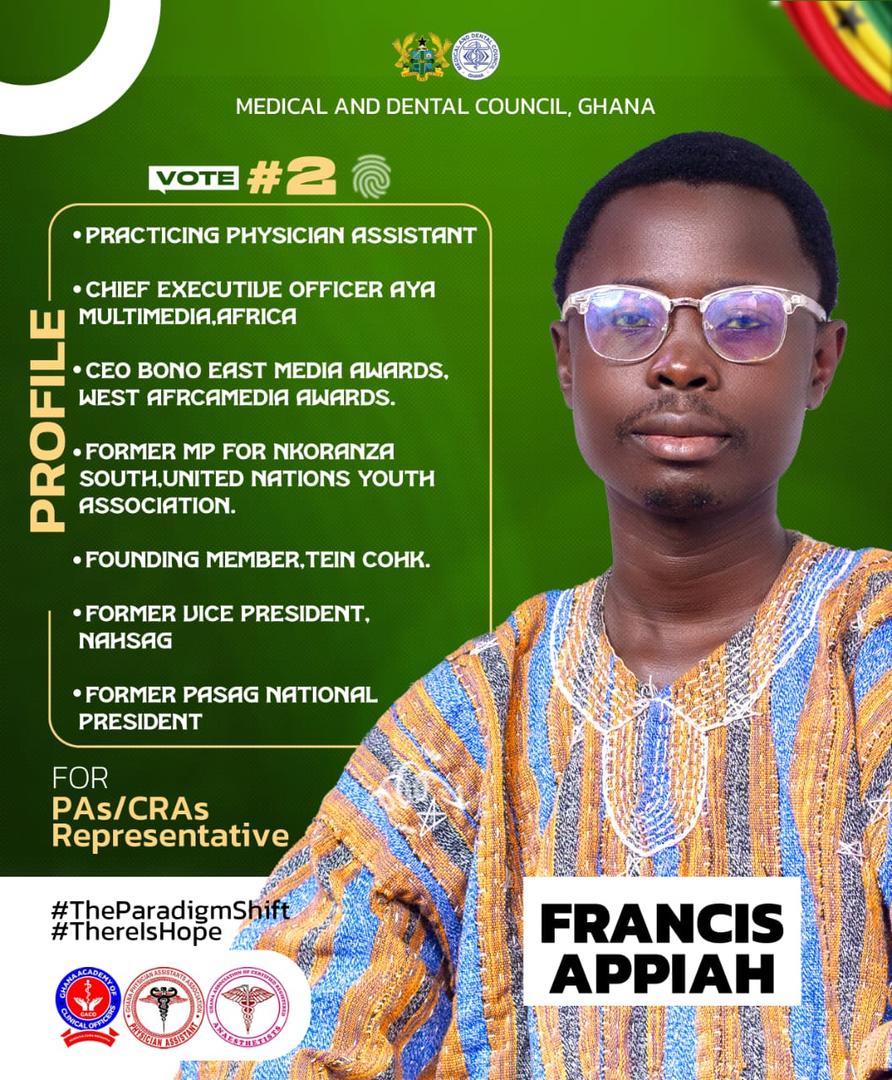
Francis Appiah
Political Commentator | Governance Advocate|Journalist|Medical Practitioner.
April 2025, Accra – Ghana.





Post Comment